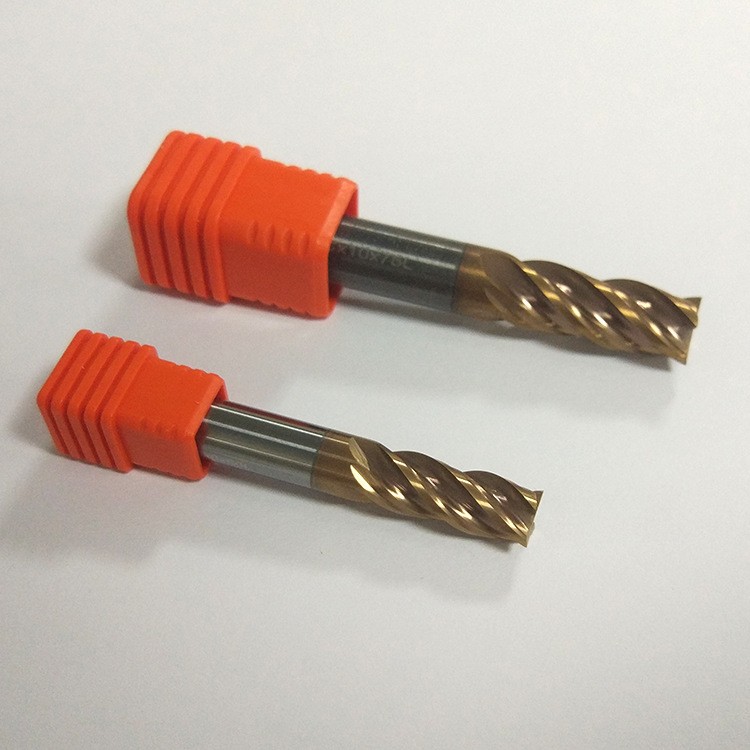

Essential details
MOQ:100
Lead time:3-5天
Shipping:Express Delivery
Product Introduction


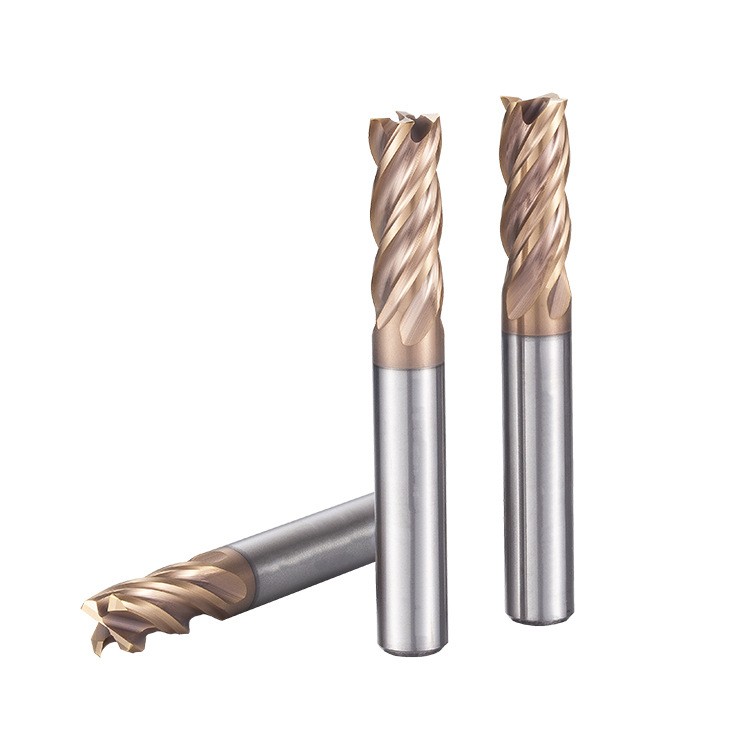
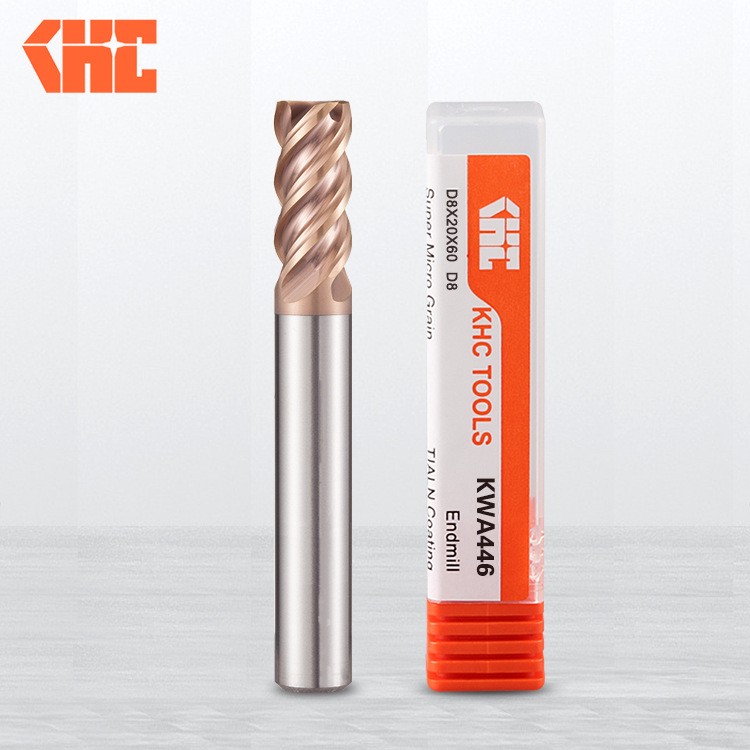
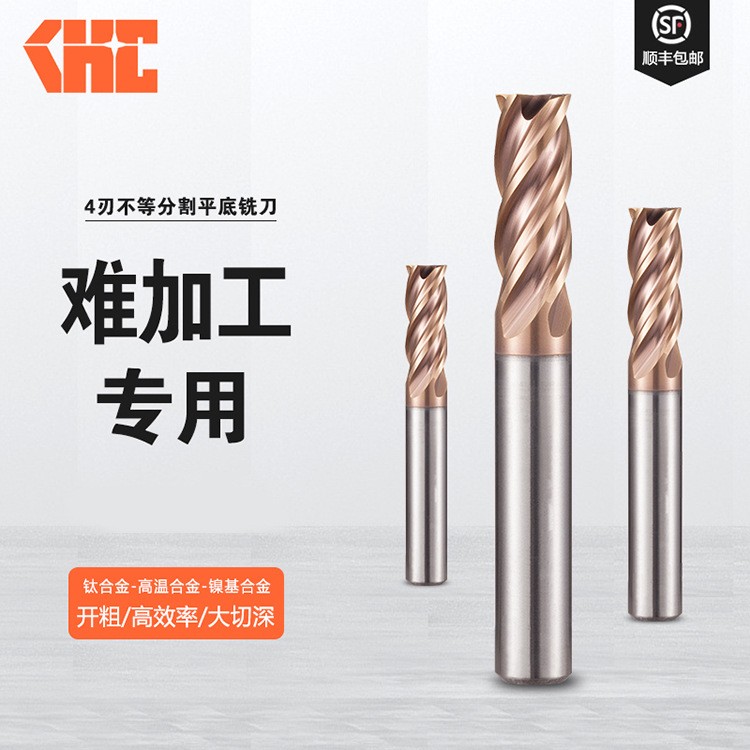
FAQ 1: Why is the use of a 4-flute non-symmetrical design flat-bottom milling cutter particularly recommended for machining materials like high-temperature alloys and titanium alloys, which are difficult to machine?
Answer:
This is primarily due to the core advantages offered by the asymmetrical blade design in dealing with the characteristics of difficult-to-machine materials:
Answer:
This is primarily due to the core advantages offered by the asymmetrical blade design in dealing with the characteristics of difficult-to-machine materials:
Suppresses vibrations and enhances stability.
The cutting resistance of high-temperature alloys and titanium alloys is high, which can easily cause tool vibration (vibration), which can severely affect the quality of the machined surface, the lifespan of the tool, and even damage the main shaft of the machine tool.
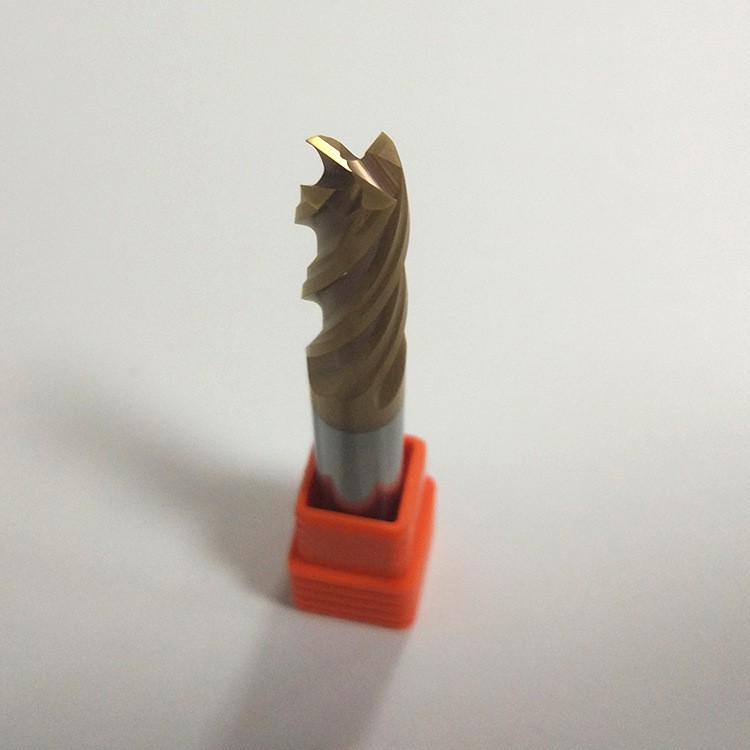
The design with unequal-width cutting edges (i.e., the spacing between each cutting edge is not equal) breaks the periodic excitation experienced by the tool during rotation, effectively dispersing and counteracting the resonant frequencies during cutting, thereby significantly suppressing vibrations. This is crucial for achieving smooth cutting in difficult-to-machine materials where high rigidity requirements are necessary.
Reduce cutting forces and disperse heat.
Due to the unequal blade spacing, each tooth of the blade makes contact with the workpiece at different times, transforming the continuous and uniform impact of cutting force into an uneven and dispersed impact. This reduces the peak cutting force and cutting heat, preventing localized overheating.
Effective management of heat and cutting forces is crucial for extending the lifespan of tools for titanium alloys (which have poor thermal conductivity and heat tends to concentrate at the cutting edge) and high-temperature alloys (which exhibit high strength at elevated temperatures).
Balancing efficiency with capacity for debris accumulation.
Compared to 2-blade knives, the 4-blade design can improve cutting efficiency at the same rotational speed. Additionally, compared to knives with more blades (e.g., 5-blade, 6-blade), the 4-blade design has a larger slot for debris, which facilitates the smooth removal of tough, sticky chips generated during the machining of high-temperature alloys and titanium alloys, thereby preventing blade breakage or damage to the workpiece caused by debris blockages.
Summary: The “4-edge non-uniform edge” design perfectly balances the conflicting demands of vibration resistance (non-uniform edge), efficiency (4 edges), and chip removal (sufficient chip clearance space) in the field of difficult-to-machine materials, making it an ideal choice for achieving efficient and stable processing.


